The Complete Guide to Preventing Razor Bumps
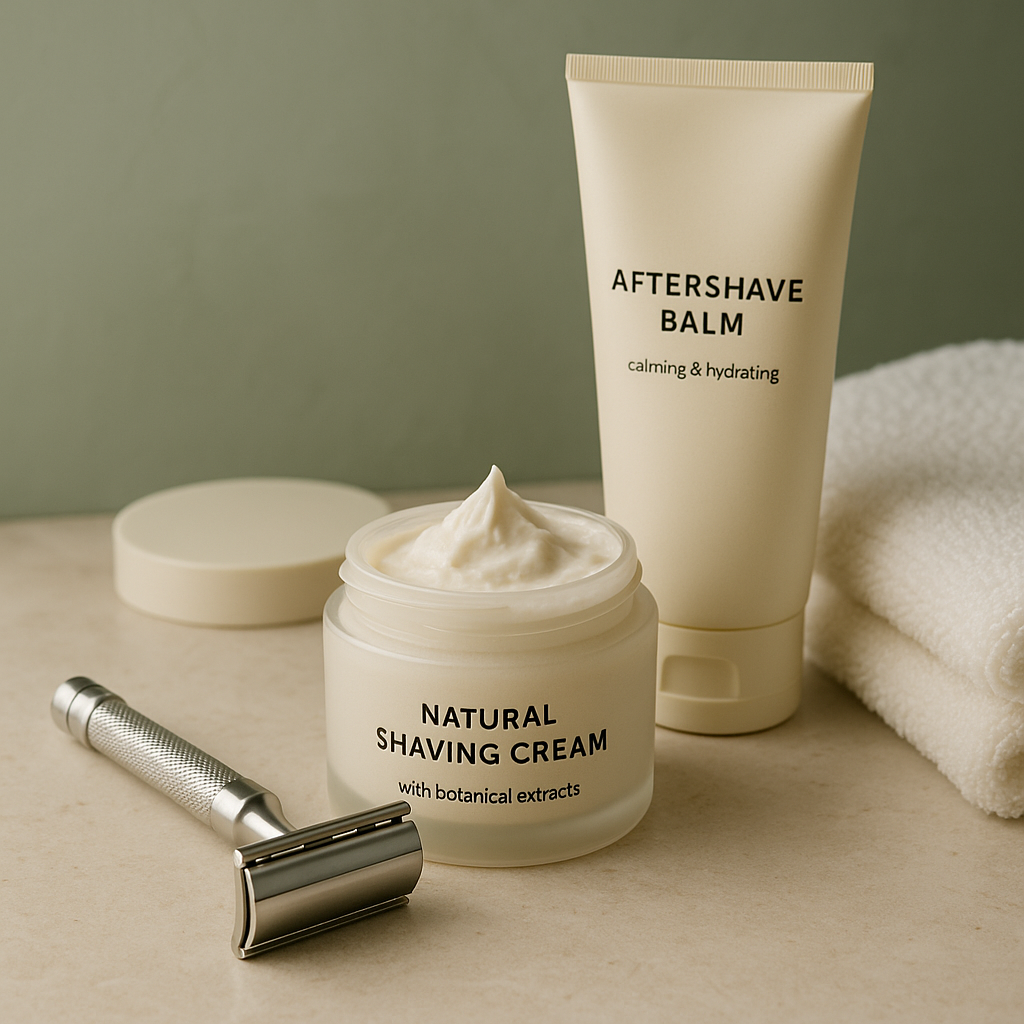
The best way to deal with razor bumps is to never get them in the first place. After years of dealing with post-shave irritation and testing every technique imaginable, I've learned that preventing razor bumps comes down to understanding why they happen—and systematically addressing each cause.
This guide will walk you through a proven prevention strategy that works for all skin types and hair textures.
Why Do Razor Bumps Form?
Before we dive into prevention, it's crucial to understand the enemy. Razor bumps (pseudofolliculitis barbae) form when cut hair grows back into the skin, triggering inflammation. Three main factors contribute:
- Hair texture: Curly hair naturally curves back toward skin
- Shaving technique: Improper methods create sharper angles
- Skin sensitivity: Some people's skin reacts more aggressively to irritation
The good news? All three factors are manageable with the right approach.
The Pre-Shave Protocol
Most people focus solely on technique during shaving, but preparation is 80% of prevention.
Step 1: Exfoliate (24 Hours Before)
Why it matters: Removes dead skin cells that can trap growing hairs.
How to do it:
- Use a chemical exfoliant (AHA or BHA), not a physical scrub
- Apply salicylic acid toner or glycolic acid serum
- Do this the night before shaving, not immediately before
- Avoid over-exfoliating (2-3x per week maximum)
Pro tip: Physical scrubs can create micro-tears in skin, making irritation worse. Chemical exfoliants dissolve dead skin without abrasion.
Step 2: Soften the Hair
Why it matters: Soft hair cuts cleanly; dry hair splinters and creates irregular edges.
How to do it:
- Shave after a hot shower (or use a hot towel for 3-5 minutes)
- Wet the area with warm water for at least 2 minutes
- Apply pre-shave oil (optional but helpful for coarse hair)
Step 3: Use Quality Shaving Cream
Why it matters: Creates a protective barrier and allows the blade to glide smoothly.
How to do it:
- Choose cream over gel (provides better cushion)
- Look for ingredients like aloe vera, glycerin, and natural oils
- Apply generously and let sit for 2-3 minutes before shaving
- Avoid: Menthol, alcohol, and synthetic fragrances (irritants)
Budget pick: Cremo Original Shave Cream Premium pick: The Art of Shaving Sandalwood Cream
The Perfect Shaving Technique
Even with perfect preparation, poor technique will cause problems. Here's the gold standard method:
Rule 1: Shave WITH the Grain (Not Against)
This is the single most important rule.
- With the grain = in the direction hair naturally grows
- Against the grain = opposite direction (creates closest shave but highest risk)
How to find your grain:
- Let hair grow for 2-3 days
- Run your hand across the area in different directions
- The direction that feels smoothest = with the grain
- The direction that feels roughest = against the grain
The compromise: Shave with the grain first, then across the grain (perpendicular) for a closer shave without the irritation of going against.
Rule 2: Use the Right Razor
Not all razors are created equal for preventing bumps.
Best options ranked:
- Safety razor (single blade) - Closest shave with least irritation
- Cartridge razor (2-3 blades max) - Good balance of convenience and safety
- Electric razor - Safest option (cuts above skin level) but less close
Worst option: 5+ blade cartridge razors (lift and cut hair below skin level, increasing ingrown hair risk)
Blade maintenance:
- Replace disposable blades every 5-7 shaves
- Clean blade after every stroke during shaving
- Store in dry location to prevent rust and bacteria growth
Rule 3: Use Proper Pressure and Angle
The biggest mistake: Pressing down on the razor.
Correct technique:
- Let the weight of the razor do the work
- Hold at a 30-degree angle to skin
- Use short, light strokes (1-2 inches)
- Rinse blade after every stroke
Face mapping: Different areas require different angles:
- Neck: Most sensitive, shave downward only
- Jawline: Use short strokes, following the curve
- Upper lip: Stretch skin taut, shave downward from nose
Rule 4: Never Go Over the Same Area Multiple Times
Why: Each pass increases irritation exponentially.
The rule: Maximum 2 passes over any area
- First pass: with the grain
- Second pass (if needed): across the grain with fresh lather
If you didn't get everything in 2 passes, stop. A few missed hairs are better than days of bumps.
The Post-Shave Recovery Protocol
Your skin is most vulnerable immediately after shaving. This protocol minimizes inflammation and prevents ingrown hairs.
Immediate Steps (Within 5 Minutes)
- Rinse with cold water - Closes pores and stops any minor bleeding
- Pat dry gently - Don't rub (creates friction)
- Apply alcohol-free aftershave - Witch hazel or aloe-based products
- Moisturize immediately - Seals the skin barrier
Products to Use Post-Shave
Immediately after:
- Witch hazel toner (anti-inflammatory)
- Aloe vera gel (soothes and hydrates)
Within 30 minutes:
- Fragrance-free moisturizer with ceramides
- Products containing niacinamide (reduces inflammation)
That evening:
- Glycolic acid or salicylic acid toner (prevents ingrown hairs)
- Lightweight night cream
Products to AVOID Post-Shave
- Alcohol-based aftershaves (dry out skin)
- Heavily fragranced products (irritate)
- Tight clothing over shaved areas (friction)
- Sun exposure without SPF (increases inflammation)
Advanced Prevention Strategies
If you're still getting bumps despite following the basics, these strategies can help:
Strategy 1: Reduce Shaving Frequency
Reality check: Daily shaving increases bump risk significantly.
- Aim for shaving every 2-3 days instead of daily
- This allows any minor irritation to heal fully
- Use an electric trimmer for maintenance between shaves
Strategy 2: Try Different Hair Removal Methods
Alternatives worth considering:
Electric Clippers (Best for prevention)
- Leaves hair 1-2mm long (above skin level)
- Zero risk of ingrown hairs
- Perfect for maintaining a "5 o'clock shadow" look
Depilatory Creams (Chemical removal)
- Dissolves hair without cutting
- Lower bump risk than shaving
- Test on small area first (can cause allergic reactions)
- Recommended: Magic Shave Powder
Laser Hair Removal (Permanent solution)
- Gradually reduces hair growth permanently
- Expensive upfront but eliminates long-term issues
- Requires 6-8 sessions for full results
- Most effective for dark hair on light skin
Strategy 3: Supplement Your Routine
Daily supplements that may help:
- Vitamin C: Supports skin healing
- Zinc: Reduces inflammation
- Omega-3s: Anti-inflammatory properties
Topical treatments:
- Retinol cream (at night): Promotes cell turnover, prevents ingrown hairs
- Niacinamide serum: Reduces inflammation and redness
- AHA/BHA toner: Regular exfoliation prevents trapped hairs
Special Considerations by Area
Different body areas require different approaches:
Face and Neck
- Most sensitive area
- Shave with grain only (never against)
- Consider using a safety razor for more control
- Apply sunscreen after morning shave
Bikini Area
- Highest risk for bumps
- Trim first with electric clippers
- Shave with grain only
- Consider professional waxing or laser instead
- Wear loose, breathable underwear after shaving
Legs
- Least problematic area
- Can shave against grain if desired (lower bump risk)
- Moisturize heavily after shaving
- Use long, smooth strokes
Head (Bald Maintenance)
- Use safety razor for best results
- Shave in shower when hair is softest
- Map your grain carefully (changes direction across scalp)
- Apply SPF after shaving
Troubleshooting Common Issues
"I'm doing everything right, but still getting bumps!"
Check these often-overlooked factors:
- Water quality: Hard water can irritate skin (consider a shower filter)
- Blade dullness: Replace more frequently than you think
- Product buildup: Cleanse thoroughly before shaving
- Stress and diet: Both affect skin sensitivity
- Underlying skin condition: May need dermatologist evaluation
"I have very coarse, curly hair"
You're at higher risk genetically, but these adjustments help:
- Shave every 3-4 days (not more frequently)
- Use single-blade razor only
- Consider permanent hair removal (laser or electrolysis)
- Use retinoid treatment nightly to prevent ingrown hairs
- Never shave against the grain under any circumstances
"I need to shave daily for work"
If daily shaving is required:
- Use an electric razor (safest for daily use)
- Alternate between shaving and using depilatory cream
- Apply salicylic acid treatment every evening without fail
- Consider asking employer about beard policy (medical exemption for PFB)
The 21-Day Prevention Challenge
Give your skin 3 weeks to adjust to a new routine. Here's a day-by-day guide:
Week 1: Implement pre-shave protocol and perfect your grain mapping Week 2: Focus on technique—with grain only, light pressure, quality blade Week 3: Dial in post-shave care and find your optimal shaving frequency
Track your progress: Take photos weekly to see improvement objectively.
The Bottom Line
Preventing razor bumps isn't about finding one magic product—it's about systematic improvement across your entire routine:
- ✅ Proper pre-shave preparation
- ✅ Correct shaving technique (with the grain!)
- ✅ Quality equipment and fresh blades
- ✅ Consistent post-shave care
- ✅ Appropriate shaving frequency
Master these five elements, and you'll see dramatic improvement within 2-3 weeks.
Remember: Prevention is easier than treatment. Every time you're tempted to rush through a shave or skip pre-shave prep, remind yourself of how much better preventing bumps is than dealing with them for days afterward.
Still dealing with existing razor bumps? Check out our fast treatment guide for clearing them quickly.
Ready to upgrade your equipment? Browse our tested razor reviews for recommendations that work.